
Preparing Your Home: Practical Considerations
Read the latest real estate insights on Avoid These Costly Home Selling Mistakes from Jupiter FL broker Kyle Camerlinck.

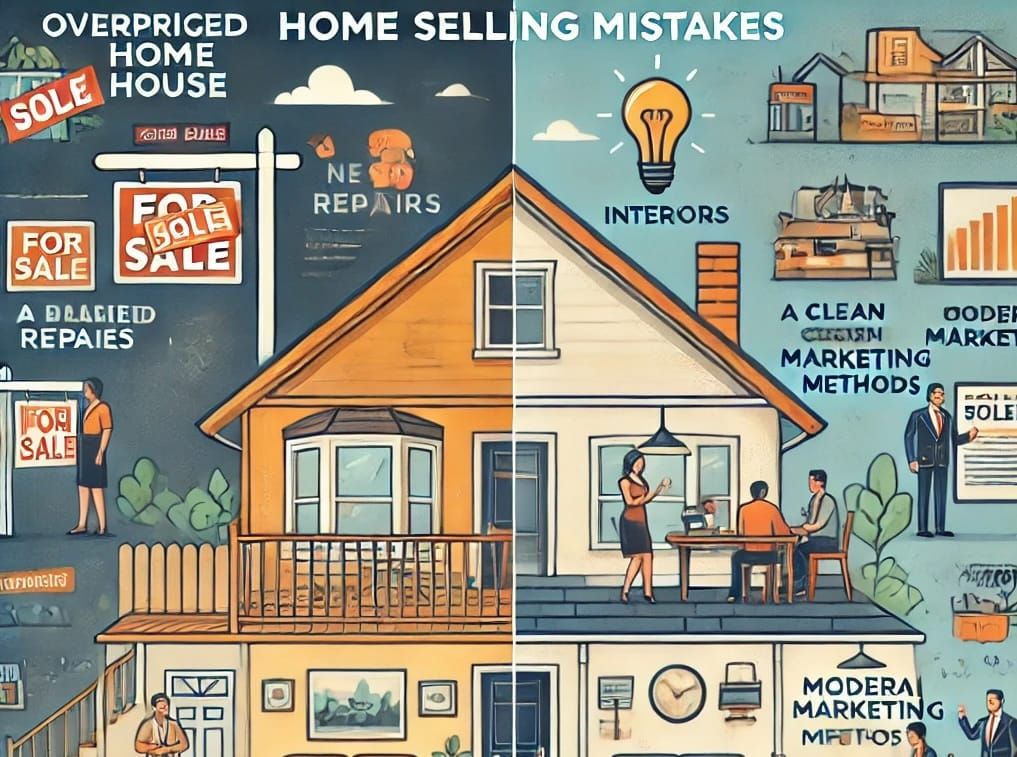
Preparing Your Home: Practical Considerations
Selling a home involves many choices. The following is a neutral, practical framework to help you think through common steps and trade-offs without relying on specific market or legal statements.
Clarify your objectives
- What are your primary goals (e.g., speed, convenience, maximum net proceeds)?
- Which timeframes are flexible and which are fixed?
- What level of involvement do you want in showings, communications, and paperwork?
Knowing priorities helps you evaluate trade-offs and ask focused questions of professionals.
Evaluate condition and potential improvements
- Consider a plain-language inventory of obvious repair items and cosmetic tasks.
- For any larger repair or renovation, ask: "What is the expected range of outcomes, and what are the risks if I do nothing?"
- Obtain multiple written estimates if you are comparing contractor work.
Use conditional reasoning: minor cosmetic work may yield easier showings; major renovations may or may not align with your objectives depending on cost and timeline.
Preparing for disclosure and inspections
- Identify known issues and assemble documents that describe work you have done (receipts, invoices) where available.
- Consider independent inspections or opinions if you think unknown issues may affect decisions.
- Ask: "What questions will prospective buyers likely raise, and how will I document answers?"
Pricing and offers (decision framework)
- Decide how flexible you will be on terms and price before reviewing offers.
- Create a simple scoring system for offers that weights the factors you care about (e.g., net proceeds, timing, contingencies).
- For each offer, map out contingencies and deadlines to see how they align with your objectives.
Negotiation and closing logistics
- Keep an organized checklist for key deliverables (documents, receipts, agreed repairs, access instructions).
- Consider timelines and backup plans if milestones are missed.
- Understand that adjustments can be negotiated; clarify consequences of unmet contingencies.
Questions to ask professionals
- What options do I have given my stated priorities?
- What are typical risks and how are they mitigated in this context?
- What documentation will you provide, and what will remain my responsibility?
Final notes on risk management
Rely on independent, licensed professionals for legal, tax, and insurance matters. Use clear written agreements and preserve records of communications and transactions to reduce misunderstandings. This article is general guidance and not a substitute for professional advice tailored to your situation.