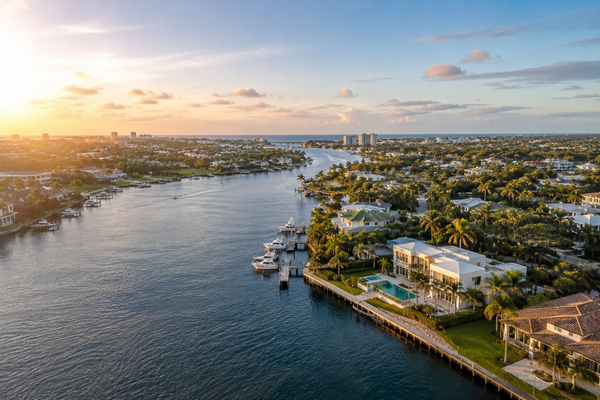
Practical Considerations When Evaluating a Coastal Condominium
Read the latest real estate insights on Experience Beachfront Luxury – New Ocean Trail Condo for $1.1M from Jupiter FL broker Kyle Camerlinck.

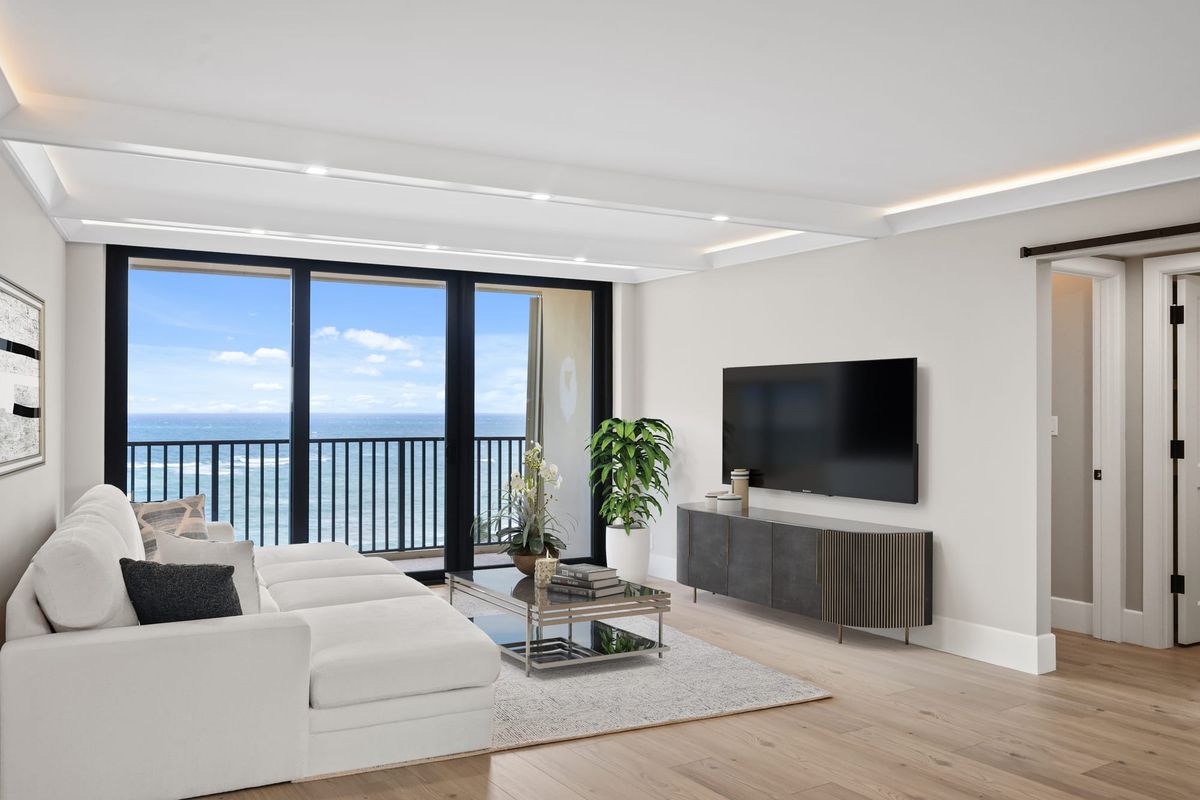
Evaluating a Coastal Condominium: A Practical Guide
When considering a condominium near the coast, focusing on decision-making frameworks and risk-aware checks can help you compare options without relying on specific claims.
Clarify your objectives
- What are your primary goals: primary residence, seasonal use, rental income, or long-term hold?
- How flexible are you on location, size, and amenity priorities?
- What is your acceptable level of maintenance responsibility and community involvement?
Site and environmental considerations
- Assess exposure: consider whether the property could be subject to coastal weather, flooding, or erosion risks and how those risks may affect habitability and maintenance over time.
- Ask what mitigation measures may exist and whether ongoing efforts or special assessments could occur.
Building condition and maintenance
- Request documentation showing past repairs, maintenance schedules, and inspection reports where available.
- Consider professional inspection for structural elements, exterior envelope, mechanical systems, and evidence of water intrusion.
- Ask how reserves are maintained for major repairs and whether there are recent or anticipated capital projects.
Governance and rules
- Review the condominium association's governing documents for rules, fee structures, and decision-making processes.
- Understand how assessments are approved, how the reserve fund is managed, and what voting rights owners have.
Costs and financing context
- Identify recurring costs you may face, such as association fees and utilities, and consider how these could change.
- If financing is needed, check with lenders about general financing considerations for condominiums rather than relying on a single lender’s terms.
Questions to ask sellers or managers
- What recent inspections or reports exist for the building?
- Are there pending or recent special assessments or major repairs?
- How is the reserve fund funded and maintained?
Simple pre-purchase checklist
- Clarify personal objectives
- Obtain building documentation
- Commission independent inspections
- Review governing documents
- Consult neutral professionals (legal, tax, insurance) if needed
This approach keeps decisions grounded in verifiable documents and professional advice rather than unverified claims. Use conditional thinking and ask for primary-source documentation before forming conclusions.