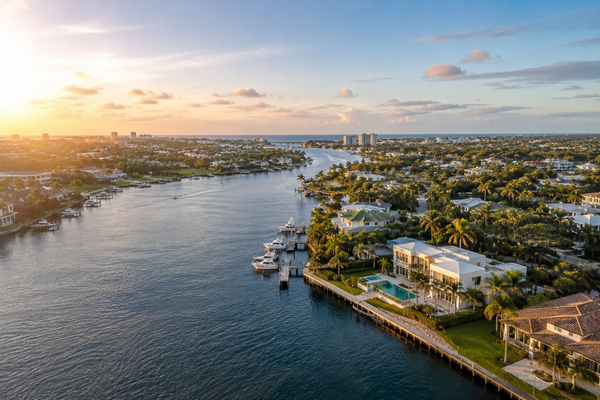
Lighthouse History and Preservation: An Introductory Guide

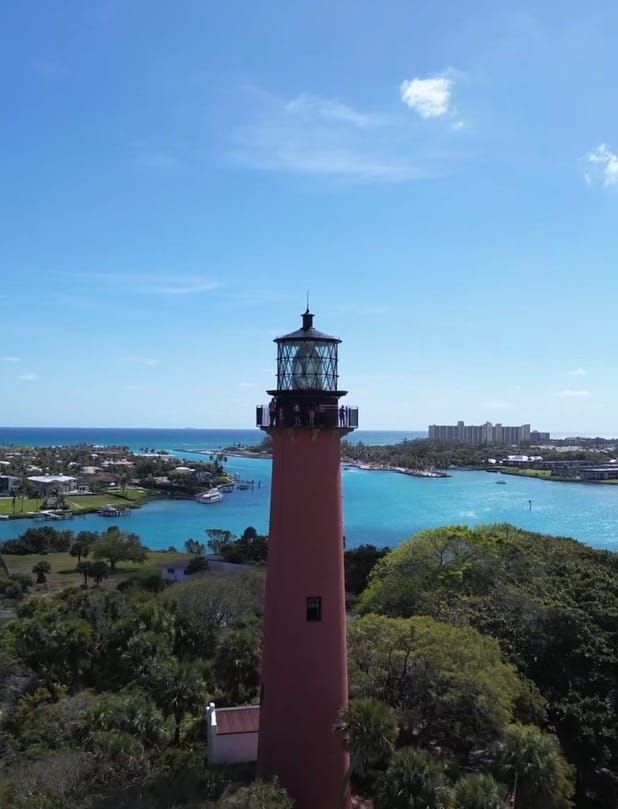
Exploring Lighthouse History and Preservation: A Practical Primer
Lighthouses are often culturally resonant structures that prompt curiosity about history, architecture, and coastal management. This primer offers a cautious, practical framework for learning about and engaging with lighthouse history and preservation without relying on specific unsourced claims.
Questions to Ask When Researching
- What primary sources might exist (e.g., original plans, archived correspondence, contemporaneous newspapers), and where can I look for them?
- Which secondary sources summarize those primary documents, and do they cite evidence clearly?
- What interpretive gaps are present, and how might different sources disagree or complement each other?
- Who are potential custodians of records (museums, archives, local historical groups), and what are appropriate steps for verifying their holdings?
Use conditional language when summarizing findings: say that sources suggest, appear to show, or may indicate, rather than asserting unsourced facts as definitive.
Checklist for Safe, Respectful Visits
- Confirm access rules and seasonal or safety restrictions before planning a visit.
- Observe posted signage and any guidance from site stewards or property managers.
- Avoid entering restricted areas and follow standard personal‑safety practices when near water or steep terrain.
- Document observations carefully (photographs, notes) and record source details for later research.
Considerations for Preservation Projects
- Start with an assessment framework: describe the structure, note apparent conditions, and identify priorities for documentation.
- Gather multiple expert opinions before forming conclusions about interventions.
- Evaluate both physical risks (e.g., exposure to elements) and programmatic risks (e.g., funding uncertainty) in any plan.
- Consider reversible, minimally invasive measures first, and favor documentation of any changes.
Risk‑Aware Checklist for Volunteers and Donors
- Confirm nonprofit or stewardship status and request transparent project descriptions before contributing time or funds.
- Ask for references to independent studies or reports that document needs and proposed outcomes.
- Understand volunteer roles, safety protocols, and supervision arrangements.
Making Responsible Interpretations
When communicating about lighthouse history or preservation, frame statements as interpretations supported by available evidence, and note when sources are limited. Where uncertainty exists, identify it explicitly and suggest avenues for further verification, such as consulting archival collections or licensed conservation professionals.