
How to Think About Estimates from Online Home‑Value Tools
Read the latest real estate insights on Your Home’s True Worth: What Zillow Can’t Tell You from Jupiter FL broker Kyle Camerlinck.

How to Think About Estimates from Online Home‑Value Tools
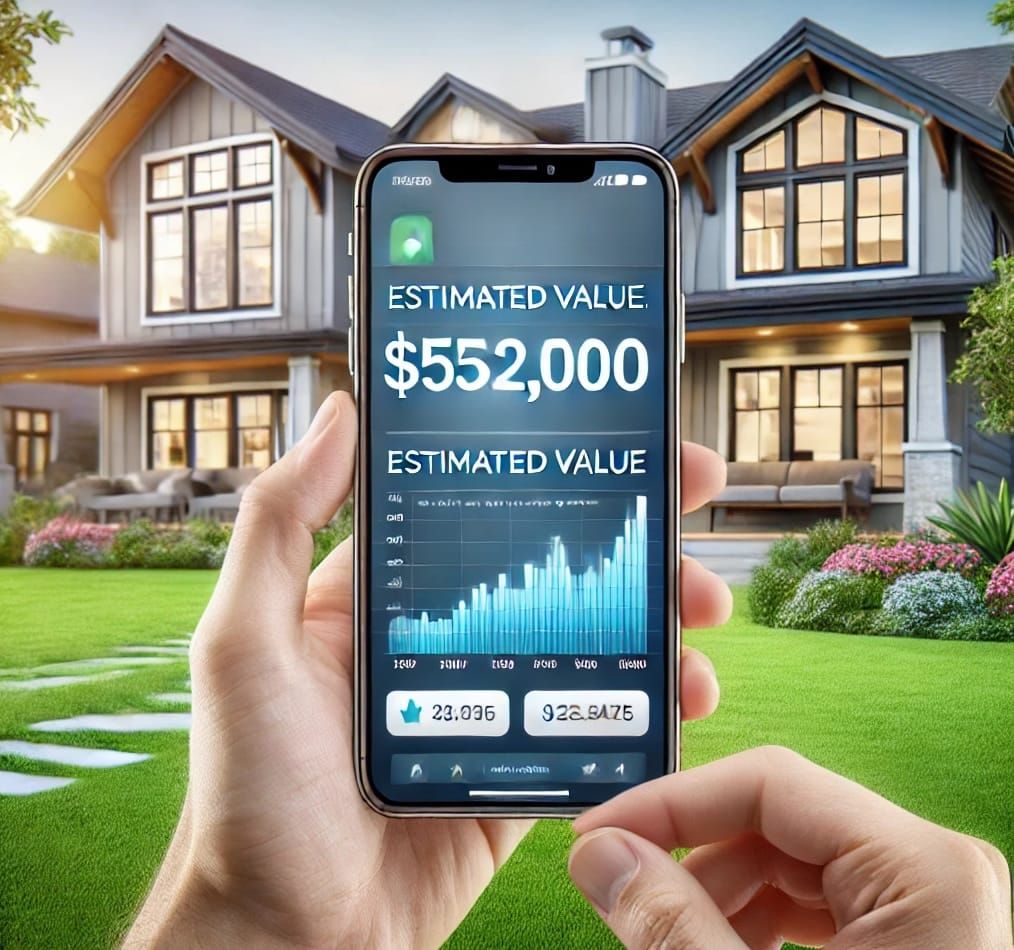
Online home‑value tools can be a useful starting point when you want a quick sense of a property's estimated value. Use them as one input among many rather than a definitive answer. Below are practical ways to interpret those estimates and steps to refine your understanding.
What these tools typically do
- They usually combine public records, recent sales data, and algorithmic adjustments to generate an estimated value.
- They often rely on automated inputs and standardized assumptions that may not reflect unique features or recent changes to a property.
Common limitations to watch for
- Data timeliness: Public records and sales data may lag behind current market conditions.
- Property specifics: Interior condition, recent renovations, or layout quirks often aren’t fully captured.
- Local nuances: Neighborhood differences, small subdivisions, or street‑level factors can be missed.
Questions to ask as you evaluate an estimate
- What data sources underpin this estimate, and how recent are they?
- Does the estimate reflect the actual condition and unique features of the property?
- Has the neighborhood or local demand changed in ways that might not be reflected in the data feed?
- Would comparable properties used in the estimate be seen as truly comparable by a local expert?
Practical steps to refine a value view
- Verify the basic inputs: square footage, lot size, bedroom/bath counts, and recorded upgrades.
- Inspect the property (or have someone you trust do so) to identify condition issues or improvements not in public records.
- Gather multiple perspectives: an online estimate, a local market opinion, and—if warranted—a formal appraisal.
- Compare recent, truly comparable sales where possible and consider whether distinctions would affect value.
Risk‑aware checklist
- Treat online estimates as directional, not definitive.
- Cross‑check data fields for accuracy before relying on an estimate.
- Seek at least one additional professional opinion before making major financial decisions.
- Document assumptions and known information gaps that could change an estimated value.
This approach helps you use online tools intelligently while managing risks tied to incomplete or outdated data.