
How to Evaluate Different Types of Homes

Overview
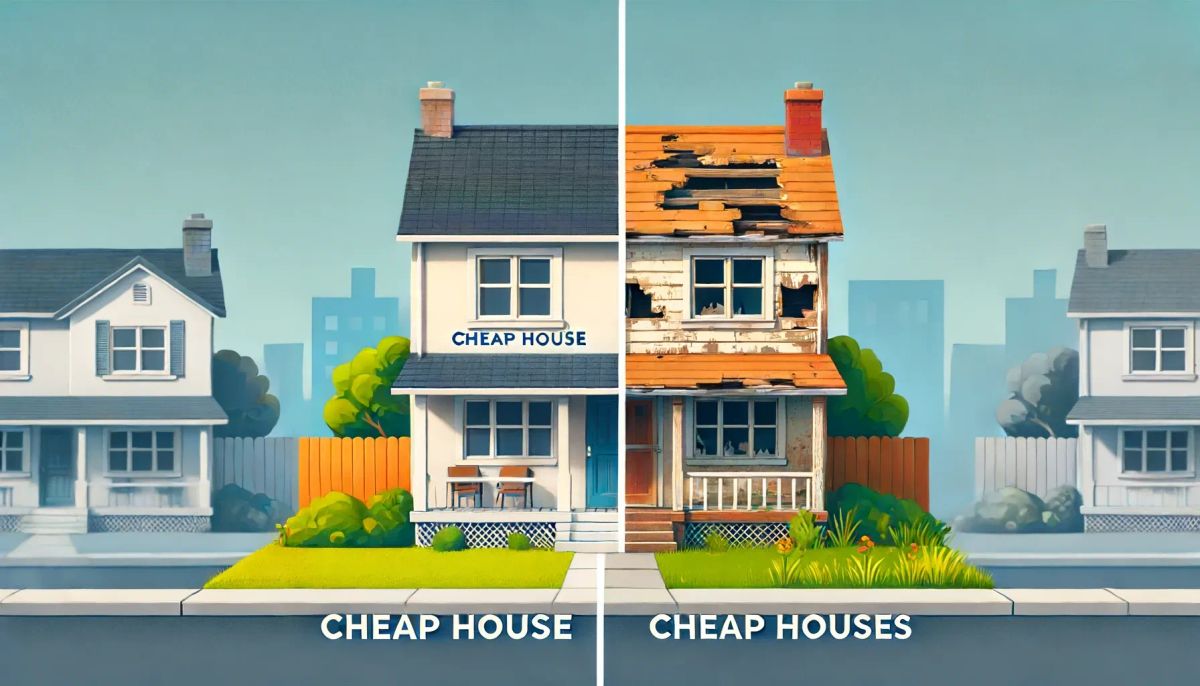
When comparing different homes, it helps to separate impressions from factors you can verify. Some properties may look inexpensive at first glance but can differ widely in condition, maintenance needs, ongoing costs, and future expense risk. Use a consistent approach to evaluate options and reduce surprises.
Key questions to ask
- What is the condition of major systems? (e.g., roof, structure, mechanicals) Ask for documentation where available and consider an independent inspection.
- What are the likely ongoing costs? Consider utilities, maintenance, and routine repairs as part of total cost of ownership.
- Are there any known encumbrances or restrictions? Inquire about easements, covenants, or other non-obvious limitations, and verify through appropriate records.
- What is the potential scope of repairs or improvements? Distinguish cosmetic work from structural or systems work, and estimate timelines and uncertainty.
- What financing arrangements are possible? Different property conditions can affect financing options; discuss possibilities with a lender or financial adviser.
Risk-aware checklist
- Inspect: Arrange a professional inspection to identify urgent versus elective issues.
- Document: Request any available maintenance records, permits, or disclosures.
- Estimate: Obtain independent estimates for significant repairs rather than relying on visual impressions.
- Contingency: Factor in a contingency reserve for unexpected repairs and delays.
- Zoning and use: Verify permitted uses and any local rules that could affect intended plans.
Decision framework
- Clarify objectives: Define your priorities (e.g., move-in readiness, renovation potential, investment horizon).
- Score consistently: Create a simple scoring system—condition, cost to fix, ongoing costs, and fit for purpose—to compare options objectively.
- Weigh uncertainty: Give extra weight to issues with high uncertainty or high cost if they would materially affect your plans.
- Consider alternatives: Compare the total expected investment for each option, including time, money, and risk, not just the asking amount.
Next steps
If a property appears to fit your goals, move forward with due diligence: inspections, third-party estimates, and professional advice tailored to your situation. Use conditional planning—prepare for different outcomes so decisions remain flexible as new information arrives.