
Using Data to Inform a Real Estate Strategy

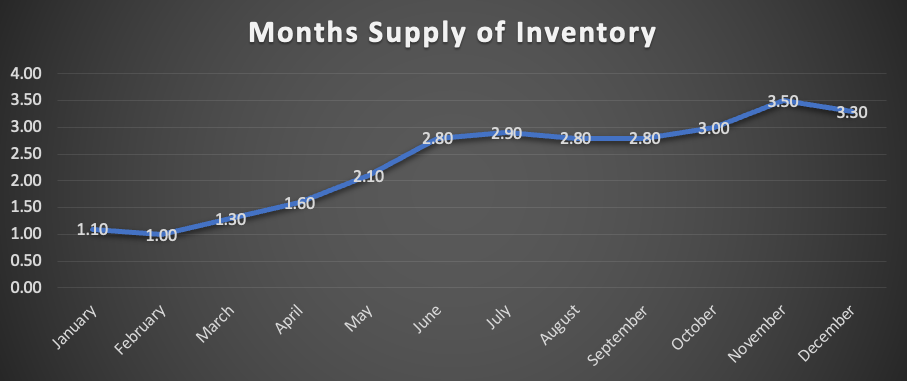
Using Data to Inform a Real Estate Strategy
When considering real estate decisions, data can help you reduce uncertainty and compare options. This article outlines neutral ways to incorporate information into planning without making predictions or promises.
Clarify your objective
- Define your primary goal in conditional terms (e.g., you may want steady income, long-term appreciation potential, or a place to live).
- Identify constraints you could accept or avoid (budget range you would consider, acceptable level of maintenance, commute or lifestyle trade-offs).
Types of useful information (generally)
- Supply-side indicators you might review (inventory-related figures, typical listing features, construction activity).
- Demand-side indicators you could compare (interest from prospective renters or buyers, local employment trends).
- Property-level data to examine (condition observations, comparable characteristics, documented legal encumbrances).
Treat each data point as one piece of evidence rather than a determinant.
Decision frameworks to apply
Hypothesis-testing framework
- Form a clear hypothesis about an outcome (e.g., “This property may meet my return and risk tolerance”).
- Identify which observations would support or contradict that hypothesis.
- Update your view as new, verifiable information becomes available.
Scenario planning
- Build at least two scenarios (optimistic and cautious).
- For each scenario, list triggers that would cause you to accept or exit the position.
Trade-off analysis
- List benefits and costs for each option.
- Weight factors according to your own priorities rather than assumed market norms.
Questions to ask when evaluating data
- Is the source transparent about how the data were collected?
- Does the information apply directly to the property or area I am considering, or is it more general?
- What assumptions underlie any summary metrics, and how sensitive are conclusions to those assumptions?
- What additional verifiable documents would I want to see before making a commitment?
Risk-aware checklist
- Confirm the provenance of any document or statistic you rely on.
- Consider a professional review for technical, legal, or fiscal issues if you choose to proceed.
- Allow for buffers in your planning to account for uncertainty.
Final note
Use data as a decision tool, not a forecast. By asking clear questions, testing assumptions, and preparing for multiple outcomes, you can make more informed, cautious choices that align with your objectives.