
Deciding Whether to Remodel or Move: A Practical Guide
Read the latest real estate insights on Remodel or Move? The Big Question in Jupiter Right Now from Jupiter FL broker Kyle Camerlinck.

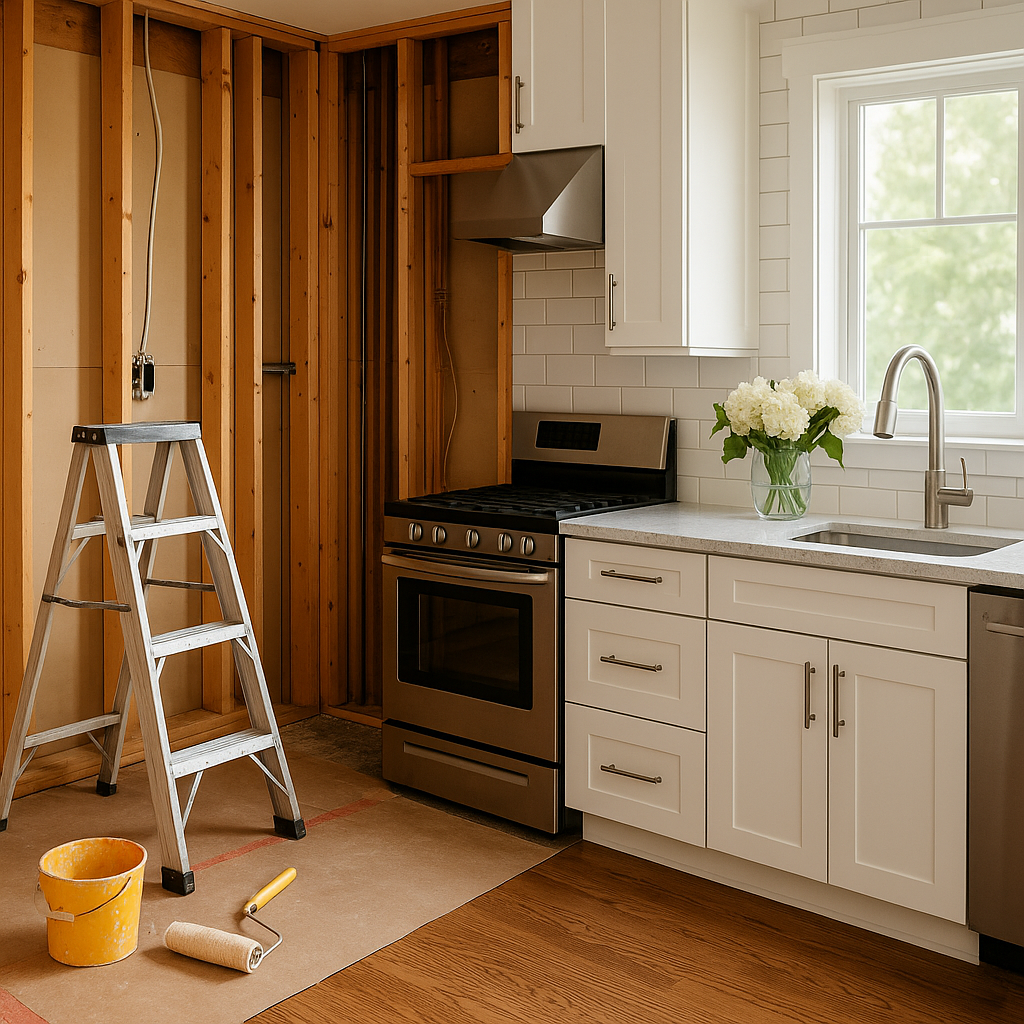
Deciding Whether to Remodel or Move: A Practical Guide
When your home no longer fits your needs, two common options are to remodel or to move. This guide provides a neutral framework to evaluate those choices without relying on specific market data or unverified claims.
Clarify your objectives
Start by asking clear questions about why you’re considering a change:
- What problems would a remodel solve that moving would not? (e.g., layout, accessibility)
- What lifestyle changes might make moving more attractive? (e.g., commute, proximity to amenities)
- How long do you plan to remain in the home after investing in changes?
Answers to these questions help frame whether short- or long-term solutions are appropriate.
Decision framework (high-level)
- If your needs are primarily functional and can be addressed within the existing structure, a remodel may be an option to explore.
- If location, neighborhood fit, or a major change in household size is driving the decision, moving may better align with those goals.
Use conditional language: consider each path only after you have realistic cost and timing information from qualified professionals.
Checklist: Information to gather
- Scope: Define specific changes you want and prioritize them.
- Estimates: Obtain multiple written cost and timeline estimates for remodeling options.
- Alternatives: Compare the estimated remodel scope with the practical implications of moving (search effort, transaction steps, relocation logistics).
- Financial context: Know your budget limits and how funding options could affect decisions.
- Long-term plans: Consider how long you expect to stay in the property after remodeling.
Questions to ask professionals
- For contractors: What is the expected range of timelines and contingencies? How do you handle unforeseen work?
- For inspectors or designers: What potential structural or code issues might affect the project scope?
- For real-estate professionals: What non-price factors should influence a decision to stay or move in your area?
(Only engage licensed or qualified professionals for assessments and written estimates.)
Risk-aware checklist
- Get multiple written estimates and compare line items.
- Confirm permit needs and who will obtain them.
- Plan for schedule and cost contingencies.
- Consider temporary housing or disruption if a remodel will be extensive.
- Evaluate resale flexibility only as one of several factors, not the sole justification.
Final thoughts
Use a combination of prioritized goals, reliable estimates, and realistic timelines to guide your choice. When in doubt, pause major commitments until you have written proposals and professional assessments to reduce uncertainty.