
How to Think About Interest Rates When Considering Housing

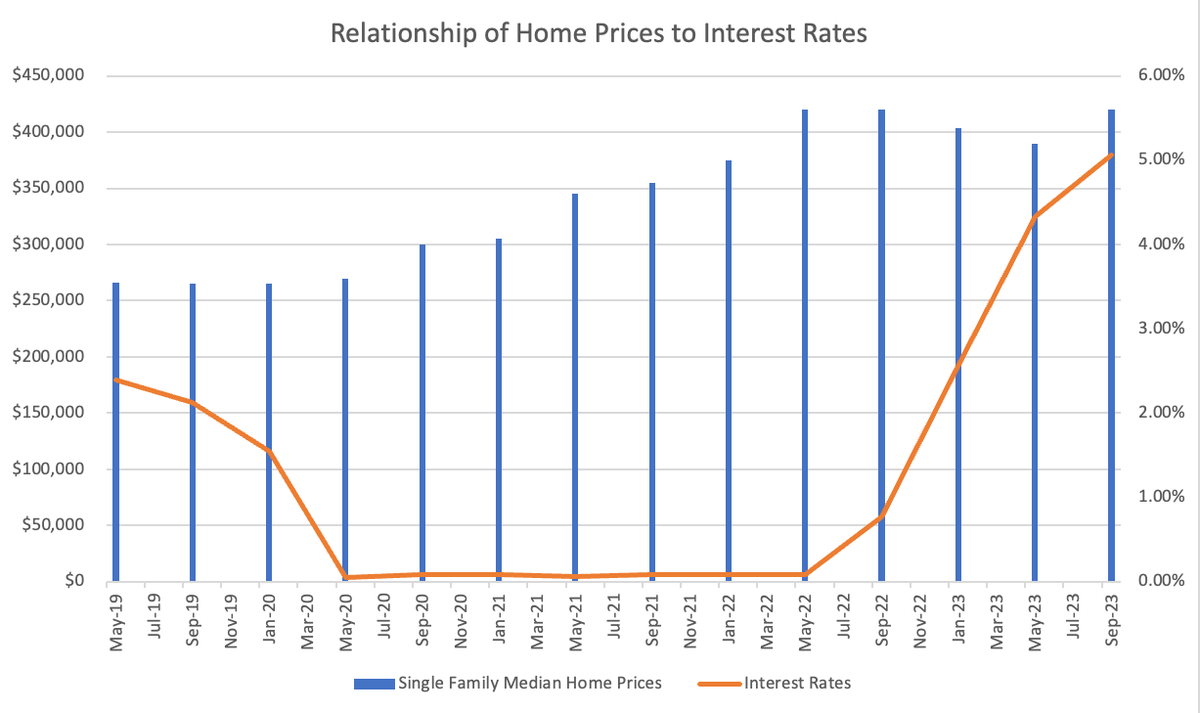
How to Think About Interest Rates When Considering Housing
Consider interest rates as one of several factors when deciding whether to buy, sell, or refinance a home. This article offers a neutral framework for thinking about rates without making specific forecasts or presenting unsourced facts.
High-level ideas to keep in mind
- Interest rates can influence monthly financing costs, but they interact with other factors such as personal finances, housing needs, and local conditions.
- Decisions should be based on individual goals, risk tolerance, and available options rather than single indicators.
- Professional advice tailored to your situation can help clarify trade-offs.
Questions to ask yourself
- What is my time horizon? Will I occupy or own this property for a short period, a medium period, or long term?
- What are my cash-flow constraints and emergency reserves if financing terms change or unexpected expenses arise?
- How important is predictability of payments versus flexibility to move or refinance later?
- What is my tolerance for risk if values or financing conditions change?
- What non-financial factors (commute, family needs, amenities) matter most to me?
Simple decision framework
- Clarify your goal: primary residence, rental income, or other use.
- Inventory your finances: savings, income stability, and existing debt obligations.
- Identify financing options available to you and their features (term length, adjustable vs fixed, fees).
- Evaluate downside scenarios: extended vacancy, higher carrying costs, or unforeseen repairs.
- Compare those scenarios against your goals and time horizon to determine acceptable risk.
Risk-aware checklist
- Do I have a plan for higher carrying costs if financing conditions change?
- Have I factored in non-financing costs (maintenance, taxes, insurance) in my budget?
- Have I considered options for increasing flexibility (shorter commitments, contingency clauses)?
- Have I discussed the situation with a financial professional and a housing specialist to explore tailored options?
Closing thought
Use interest-rate information as one input among many. A structured, question-driven approach and conservative budgeting can help you make decisions that align with your goals and risk tolerance. This information is educational and not a substitute for personalized professional advice.