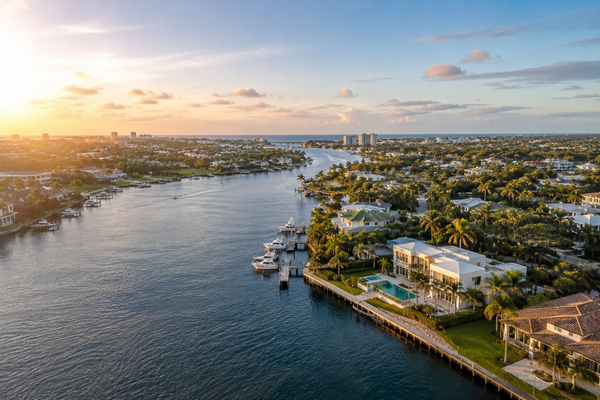
Evaluating Waterfront and Inlet Properties: Key Questions and Considerations
Read the latest real estate insights on The Jupiter Inlet Is Getting Dangerous from Jupiter FL broker Kyle Camerlinck.

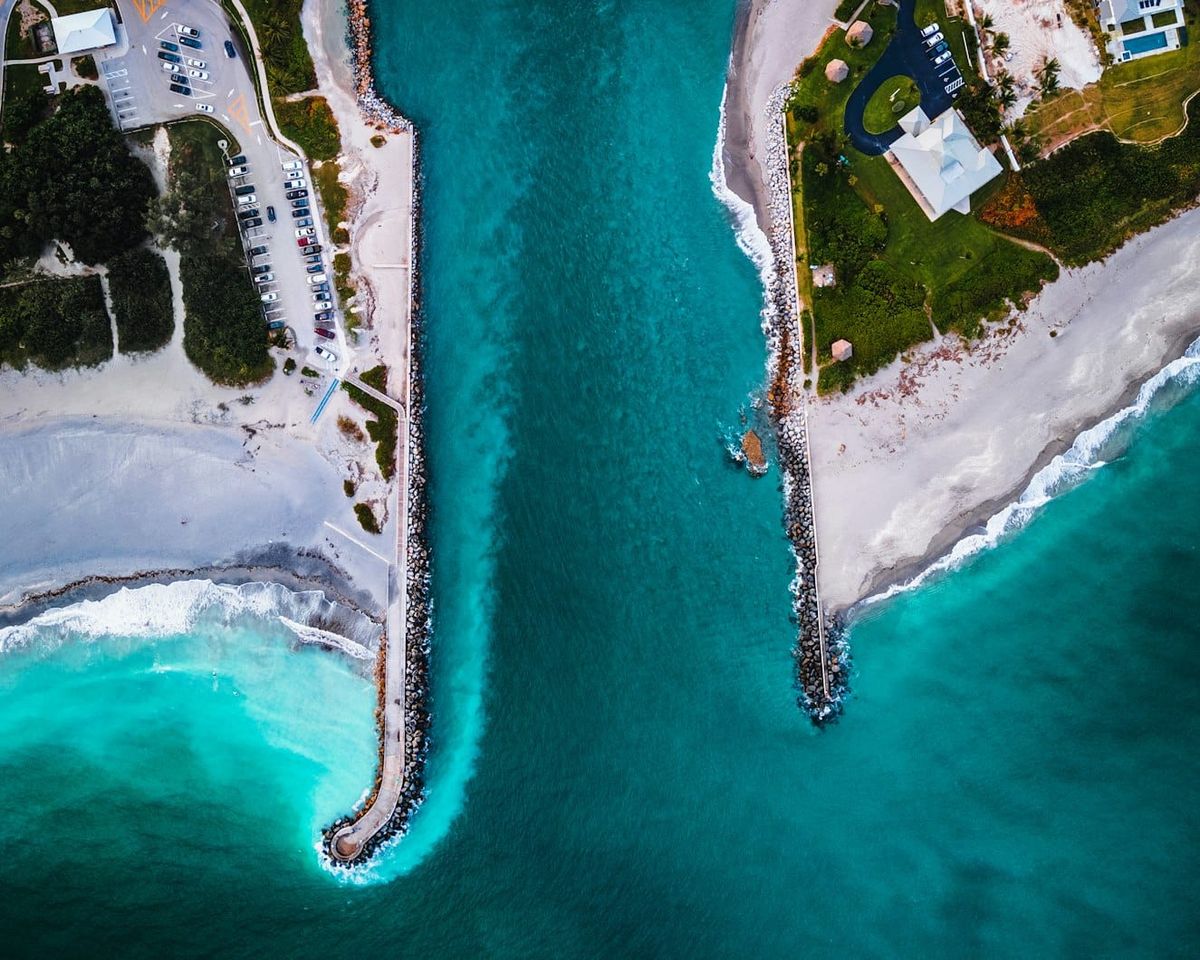
Evaluating Waterfront and Inlet Properties: Key Questions and Considerations
Buying or owning property near a waterway raises a set of considerations different from inland real estate. This article presents a neutral framework of questions and checks to guide research and due diligence. Use these items as prompts when consulting professionals and reviewing documentation.
Decision framework
- Define your objectives: Is the property primarily for living, recreation, rental, or future resale? Different uses change which risks matter most.
- Prioritize risks: Rank environmental, structural, legal, and access concerns in order of importance to you.
- Identify information gaps: Note what you don’t know and who can provide reliable answers (inspectors, surveyors, local authorities).
Questions to ask early
- What natural forces are relevant to the location (winds, waves, tides, flooding, erosion)? Ask for historical patterns and variability rather than single statements of condition.
- What are local permitting and setback rules that could affect structures, docks, or renovations? Confirm with local permitting offices.
- What inspections are recommended for waterfront structures and shoreline features? Consider specialized inspections in addition to standard home inspections.
- What types of insurance apply to waterfront properties, and what does coverage typically exclude? Ask insurers about scenarios that concern you.
- Are there access or maintenance responsibilities for shared features (docks, seawalls, roads)? Request written documentation.
Risk-aware checklist
- Obtain a property boundary survey and confirm shoreline location relative to structures.
- Arrange for a structural inspection that includes foundations, pilings, seawalls, and any marine-related elements.
- Consider an environmental review to identify contamination risks or protected habitat designations.
- Review local land-use, zoning, and coastal-management regulations for restrictions or future changes.
- Check availability and terms of applicable insurance coverages, and ask about cost drivers and exclusions.
- Clarify maintenance responsibilities and estimated ongoing costs for shoreline stabilization and marine structures.
- If boating is a priority, assess navigational access, draft limitations, and safe mooring practices.
Final notes
Treat this as a starting checklist. Waterfront properties can offer unique benefits but also require targeted due diligence. Rely on qualified, independent professionals for site-specific assessments and document all findings in writing before making commitments.